Operating manufacturing facilities in emerging markets offers immense growth potential. From North Africa to South Asia, demand for processed foods continues to rise. However, these regions often present challenging environmental conditions. High temperatures, excessive dust, humidity, and unstable power grids can accelerate wear and tear on equipment. For producers relying on industrial machinery for food processing, protecting these assets is critical for long-term profitability.
Preventive maintenance is not just a routine task. It is a strategic investment that safeguards production capacity and ensures product quality. This guide explores how proactive care extends equipment life and reduces operational risks in demanding climates.
Understanding Environmental Stressors on Equipment
Harsh environments place unique stresses on manufacturing assets. Heat can degrade lubricants and weaken electronic components. Dust and particulate matter can clog filters and interfere with moving parts. Humidity promotes corrosion, especially on metal surfaces exposed to moisture during cleaning cycles.
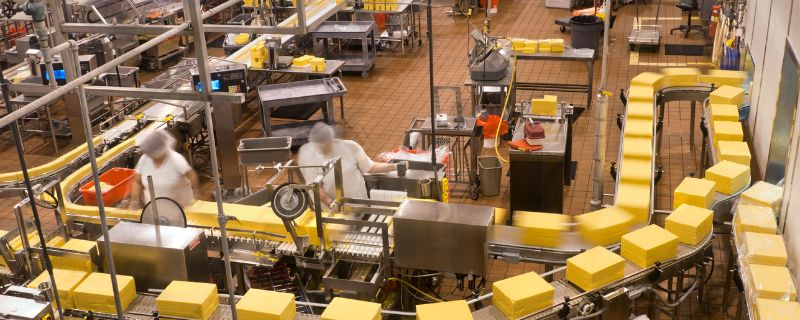
When operating dairy processing equipment in these conditions, the risks are even higher. Dairy products require strict hygiene standards. Any equipment failure that compromises sanitation can lead to product loss or regulatory issues. Therefore, understanding how local environmental factors interact with your machinery is the first step toward building a resilient operation.
Producers should conduct a site-specific risk assessment. Identify the primary environmental threats at your facility. Is dust the main concern? Is power fluctuation damaging control panels? Once you identify the risks, you can tailor your maintenance schedule to address them directly.
The Cost Benefits of Preventive vs. Reactive Strategies
Many facilities operate on a reactive model. They fix machines only after a breakdown occurs. This approach might seem cost-effective in the short term. However, unplanned downtime is far more expensive than scheduled maintenance.
Reactive repairs often require expedited shipping for spare parts. They may also necessitate overtime labor costs to restore production quickly. In contrast, preventive maintenance allows you to plan repairs during non-production hours. You can order parts in advance and train staff on specific procedures.
For machinery maintenance CPG plants rely on, consistency is key. A structured preventive program reduces the frequency of catastrophic failures. It also helps maintain energy efficiency. Well-lubricated and calibrated machines consume less power, which is vital in regions where energy costs are high or supply is inconsistent.
Critical Components Requiring Regular Attention
Certain components within a production line are more susceptible to environmental damage. Focusing your efforts on these areas yields the highest return on investment.
Motors and Drives
Electric motors are the heart of most production lines. Heat is their primary enemy. Regularly check motor temperatures and ensure cooling fans are free of debris. Verify that voltage levels remain stable to prevent winding damage.
Seals and Gaskets
In dairy and food processing, seals prevent contamination. Harsh conditions can cause rubber components to crack or harden prematurely. Inspect seals during every maintenance window and replace them at the first sign of wear. This protects product safety and prevents leaks.
Food-Grade Conveyor Systems
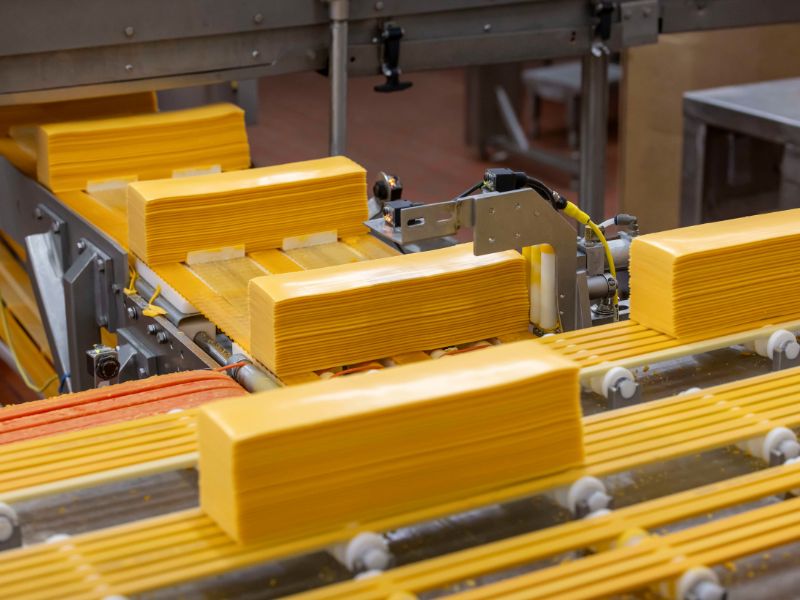
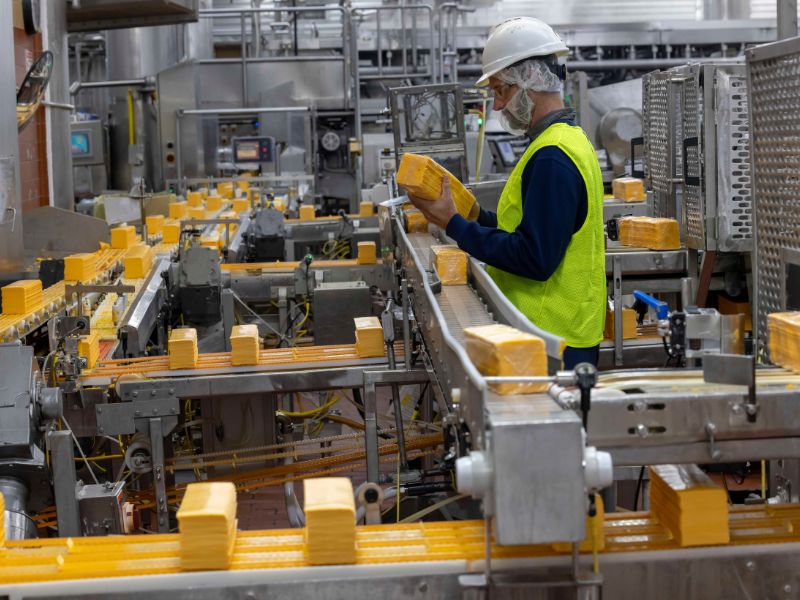
Conveyors move product through every stage of production. In dusty or humid environments, belt tension can shift, and rollers can seize. Food-grade conveyor systems require regular cleaning and lubrication with approved substances. Check belt alignment to prevent uneven wear and potential product spillage.
Control Panels and Electronics
Electronic controls are sensitive to dust and moisture. Ensure control cabinets are properly sealed. Use air conditioning or cooling units for panels located in hot production areas. Regularly inspect wiring for signs of corrosion or rodent damage.
Best Practices for Machinery Maintenance in CPG Plants
Implementing a successful maintenance program requires discipline and documentation. Start by creating a master asset list. Every piece of equipment should have a unique ID and a corresponding maintenance schedule.
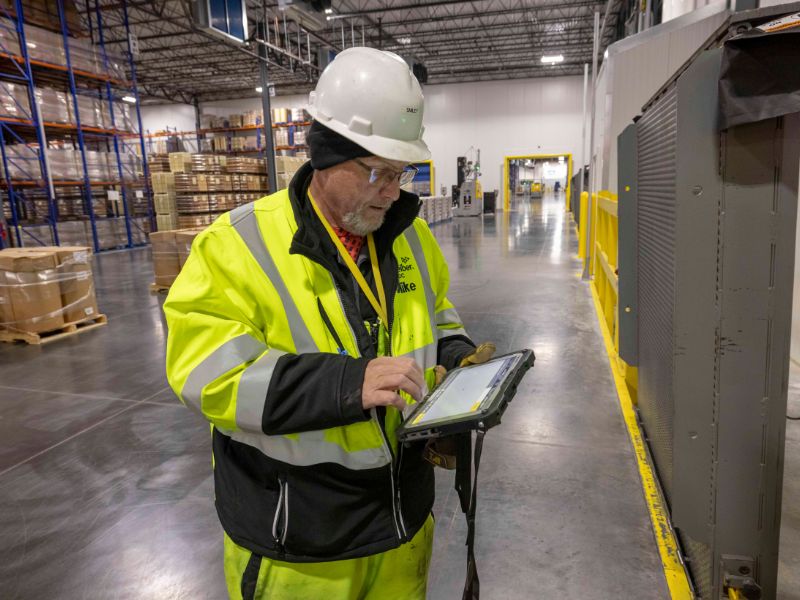
Use digital tools to track work orders. Maintenance management software allows you to log inspections, record parts usage, and analyze failure trends. This data helps you refine your schedule over time. You might find that certain components need attention more frequently than the manufacturer recommends due to local conditions.
Training is another essential element. Your local technicians must understand the specific needs of your equipment. Provide comprehensive training on troubleshooting and preventive tasks. Empower your team to identify early warning signs, such as unusual noises or vibrations.
Furthermore, keep a strategic inventory of spare parts. In emerging markets, supply chains can be unpredictable. Having critical spares on site reduces downtime when failures do occur. Focus on items with long lead times or high failure rates.
Leveraging Expert Partners for Long-Term Success
Even with a robust internal team, external expertise adds value. Equipment manufacturers understand their systems better than anyone else. Partnering with a supplier who offers ongoing support ensures you stay aligned with best practices.
This is where Green Bay Machinery (GBM) solutions provide a distinct advantage. GBM, part of Schreiber Horizon, offers more than just equipment. We provide a partnership model that includes process engineering, commissioning, and continuous support. Our team understands the complexities of operating in emerging markets.
We design systems with maintainability in mind. Our equipment features accessible service points and durable components suited for challenging environments. By integrating our solutions into your operation, you gain access to technical resources that help optimize your maintenance strategy.
Learn more about how our comprehensive support systems can enhance your operational reliability at https://www.schreiberhorizon.com/solutions/gbm/.
Building a Culture of Reliability
Maintenance is not solely the responsibility of the engineering department. It requires a culture of reliability across the entire organization. Operators should perform basic checks before starting shifts. Managers should prioritize maintenance time in the production schedule.
When everyone understands the value of equipment care, compliance improves. This cultural shift reduces human error and extends the lifespan of your assets. It also improves safety. Well-maintained machines are safer to operate, protecting your workforce from accidents.
Conclusion
Extending machinery lifespan in harsh environments is achievable with the right approach. By prioritizing preventive maintenance, you protect your capital investment and ensure consistent production output. Focus on the specific environmental stressors at your site and tailor your schedules accordingly.
Pay close attention to critical components like motors, seals, and food-grade conveyor systems. Implement rigorous tracking and training programs to support your internal team. Finally, choose a partner who understands the demands of industrial machinery for food processing in global markets.
With proactive care and the right support, your dairy processing equipment can deliver reliable performance for years. This stability allows you to focus on what matters most. You can drive growth, expand market share, and meet consumer demand without interruption. For manufacturers ready to optimize their maintenance strategy, Schreiber Horizon stands ready to support your journey toward operational excellence.