Scaling dairy production in emerging markets presents unique opportunities and challenges. From North Africa to South Asia, growing consumer demand for processed cheese, yogurt, and shelf-stable dairy products is driving investment in modern manufacturing. Yet selecting the right industrial machinery for food processing requires more than just capacity specs. It demands a strategic approach that balances performance, compliance, scalability, and total cost of ownership.
For entrepreneurs, regional producers, and established brands expanding into new territories, the equipment choices made today will shape operational efficiency, product quality, and growth potential for years to come. This guide outlines key considerations to help you evaluate dairy processing equipment with confidence.
Start with Your Production Goals and Market Realities
Before reviewing equipment catalogs, clarify your output targets, product mix, and distribution model. Are you launching a single SKU of processed cheese or planning a diversified portfolio? Will your products serve local retail, food service, or export channels? These decisions directly impact equipment specifications like throughput speed, flexibility for recipe changes, and packaging compatibility.
In emerging markets, infrastructure variables also matter. Power reliability, water quality, ambient temperature, and local maintenance capabilities should inform your equipment selection. Systems designed for stable utility environments may underperform or require costly modifications in regions with intermittent power or limited technical support. Prioritize dairy processing equipment built for resilience, with simple maintenance protocols and accessible spare parts.
Prioritize Food Safety and Regulatory Compliance
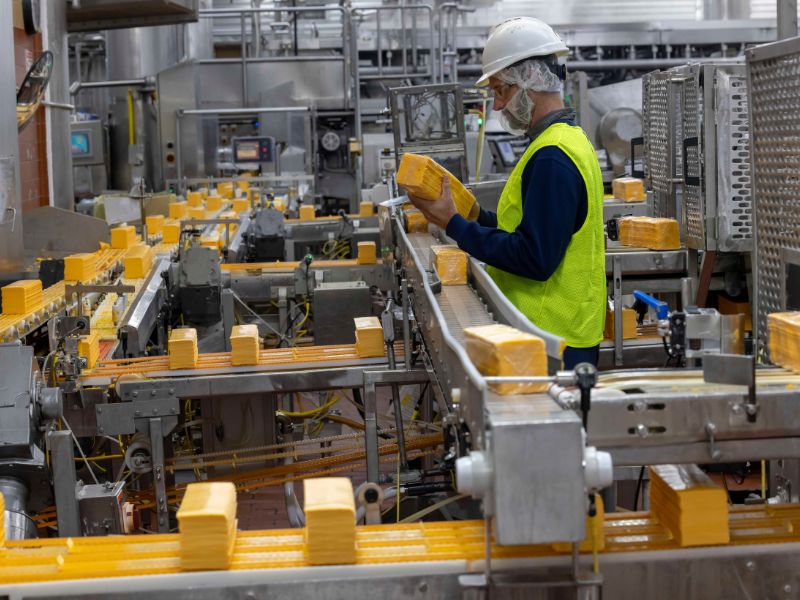
Dairy processing demands strict adherence to food safety standards. Whether you follow Codex Alimentarius, EU regulations, or local food authority guidelines, your equipment must support hygienic design, clean-in-place (CIP) capabilities, and traceability. Look for stainless-steel contact surfaces, sanitary fittings, and automated controls that reduce human error.
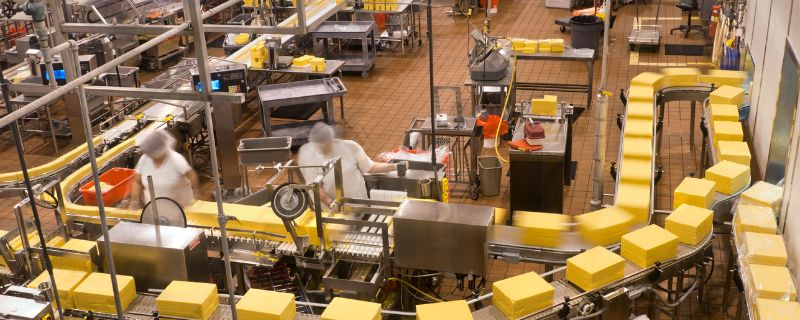
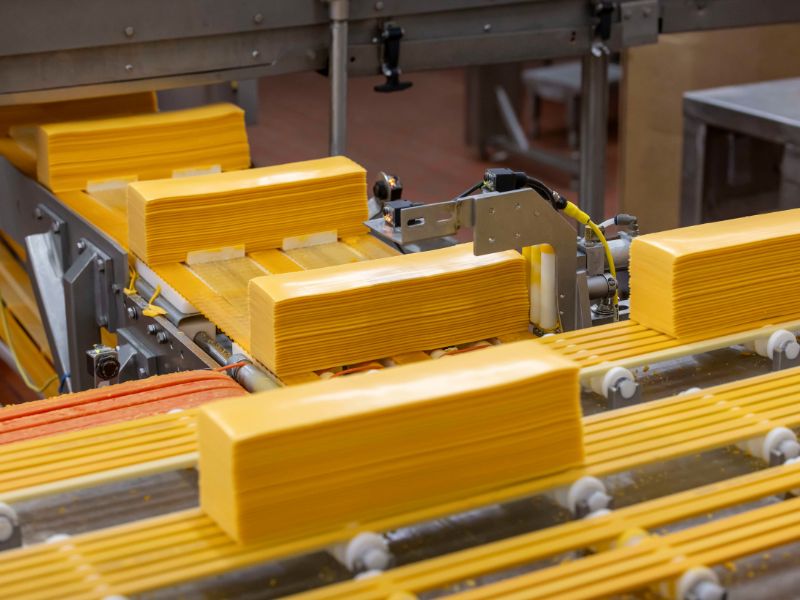
Food-grade conveyor systems play a critical role in maintaining product integrity throughout the line. These systems must resist corrosion, withstand frequent sanitation cycles, and prevent contamination at transfer points. For operators in North Africa, South Asia, or Southeast Asia, working with a partner who understands regional compliance landscapes is invaluable. The right supplier will help you navigate certification requirements, documentation, and audit readiness from day one. This reduces launch delays and builds trust with retailers and consumers.
Evaluate Scalability Without Overbuilding
Growth is the goal, but overinvesting in oversized equipment too early can strain capital and complicate operations. Modular, scalable systems offer a smarter path. Start with a configuration that meets your initial volume needs, then expand capacity through add-on modules, parallel lines, or upgraded controls as demand increases.
This approach preserves cash flow, reduces technical risk, and allows you to validate your market before committing to full-scale infrastructure. For example, a processed cheese line that begins at 500 kg per hour can often scale to 2,000 kg per hour with minimal downtime when designed with modularity in mind. When selecting industrial machinery for food processing, prioritize platforms that support phased investment without requiring complete line replacements.
Plan for Proactive Machinery Maintenance in CPG Plants
Reliable production depends on consistent equipment performance. In high-volume dairy operations, unplanned downtime can disrupt supply chains and compromise product quality. That is why proactive machinery maintenance in CPG plants should be part of your equipment strategy from the start.
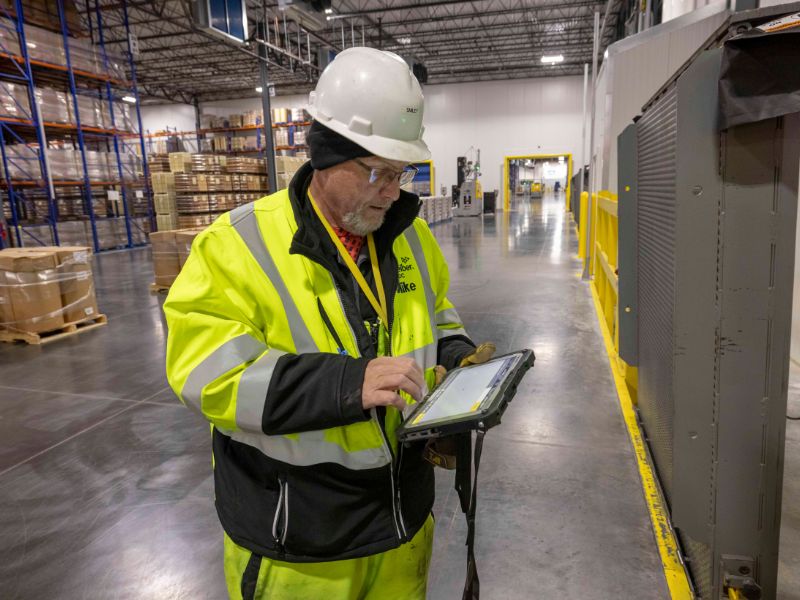
Choose systems with accessible service points, standardized components, and clear maintenance schedules. Equipment with remote monitoring capabilities allows your team to track performance metrics and address issues before they escalate. In regions where specialized technicians are scarce, intuitive diagnostics and comprehensive training programs become even more valuable. Partnering with a supplier who provides preventive maintenance support helps maximize uptime and extend equipment life.
Factor in Total Cost of Ownership, Not Just Purchase Price
The initial quote is only one piece of the financial picture. Consider installation complexity, energy efficiency, water usage, maintenance frequency, and expected lifespan. A slightly higher upfront investment in energy-efficient motors, smart controls, or corrosion-resistant materials often delivers significant savings over five to ten years.
Also account for training, spare parts inventory, and technical support access. In emerging markets, equipment with intuitive interfaces and clear documentation reduces dependency on external experts. When evaluating dairy processing equipment, request total cost of ownership projections that include utilities, labor, and service costs. This holistic view supports smarter capital allocation and long-term profitability.
Choose a Partner, Not Just a Vendor
Equipment selection is a strategic decision. The best outcomes come from collaborators who act as extensions of your team. Look for partners who offer end-to-end support: facility planning, process engineering, equipment commissioning, staff training, and continuous improvement consulting.
This holistic approach accelerates time to market and de-risks scale-up. For instance, a partner with deep dairy expertise can help optimize your layout for workflow efficiency, recommend utility upgrades before installation, and provide troubleshooting support during your first production runs. That level of partnership is especially valuable when entering new markets or launching new product categories.
How Green Bay Machinery Solutions Support Scalable Dairy Growth
At Schreiber Horizon, our Green Bay Machinery (GBM) solutions are designed specifically for food manufacturers navigating growth in dynamic markets. We provide turnkey equipment systems, process engineering expertise, and scalable manufacturing platforms that help you launch faster and scale smarter.
Our systems are preconfigured for efficiency, safety, and high performance in processed cheese and dairy applications. From food-grade conveyor systems to integrated cooking and blending units, every component meets rigorous hygienic standards. Backed by Schreiber’s decades of food production experience, we eliminate common barriers to growth with flexible solutions that adapt to your evolving needs.
Whether you are building a new facility or expanding an existing operation, our modular approach lets you start with what you need today and add capacity tomorrow without costly reinvention. Learn more about how our end-to-end dairy manufacturing solutions can support your growth goals at https://www.schreiberhorizon.com/solutions/gbm/.
Final Checklist for Equipment Selection
Use this quick reference as you evaluate options:
- Does the industrial machinery for food processing meet your target throughput with room for modular expansion?
- Is the dairy processing equipment compliant with relevant food safety and hygiene standards?
- Are food-grade conveyor systems integrated to maintain product integrity and simplify sanitation?
- Does the supplier support proactive machinery maintenance in CPG plants with training and spare parts access?
- What is the projected total cost of ownership over five years for Green Bay Machinery solutions?
- Can the equipment handle your planned product mix and packaging formats?
- Does the partner provide process consulting and implementation support for emerging market conditions?
Choosing the right industrial equipment for high-volume dairy lines is a foundational decision for any producer targeting growth in emerging markets. By aligning your selection process with strategic goals, operational realities, and a trusted partnership model, you set the stage for efficient, compliant, and scalable production.
When you prioritize flexibility, proven performance, and end-to-end support, you invest not just in machinery, but in long-term market success. For manufacturers ready to move from planning to production with confidence, the right equipment partner makes all the difference. Explore how Schreiber Horizon’s Green Bay Machinery solutions can help you build a resilient, high-output dairy operation at https://www.schreiberhorizon.com/solutions/gbm/.