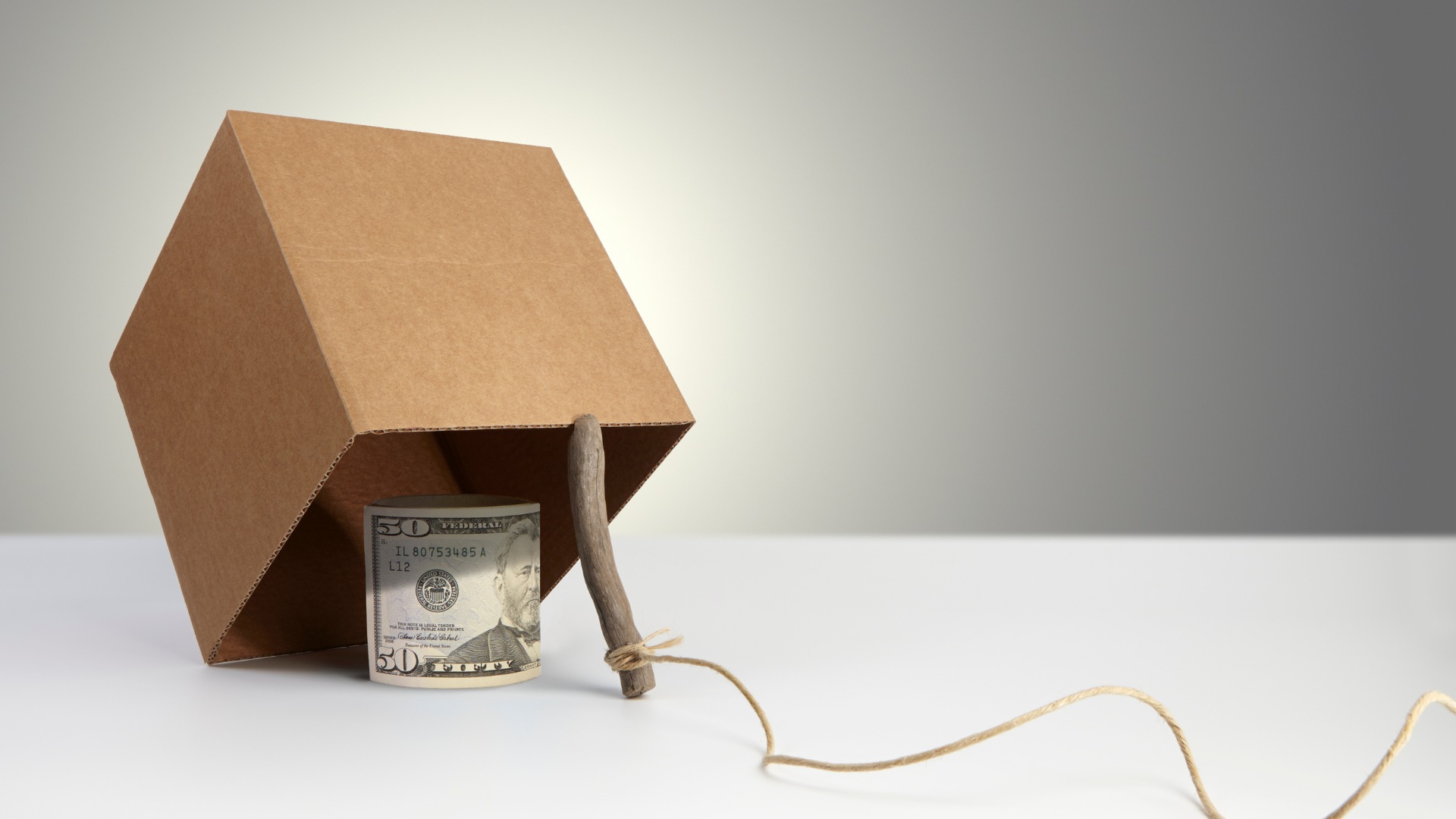
There comes a moment in every growing food and beverage company’s trajectory when the cold storage bill arrives. It is large, it is recurring, and it keeps growing. For many brands, that moment triggers a thought that feels logical on the surface: What if we just built our own?
It is a reasonable idea. Owning your cold infrastructure seems like it would help you control your destiny, eliminate a major expense line, and build an asset on your balance sheet. The appeal is obvious.
It is also, in the vast majority of cases, the wrong call for growth-stage brands that need flexibility, not fixed assets. This is especially true for CPG brands focused on dairy, beverage, and outside-aisle products that need reliable cold chain support into retailers like Walmart and Target.
Here is why growth-stage CPG brands keep making this mistake and what the smarter path actually looks like.
The Apparent Logic of Building Your Own Cold Storage
When you are leasing cold storage space and watching your inventory volume grow year over year, the math starts to look compelling. You are paying monthly fees to rent space you do not own, with no asset to show for it once the lease ends. Over time, those payments add up to a significant sum with all of it gone and nothing built.
If you build, the thinking goes, you stop writing that check. You build equity instead. You control the temperature, the scheduling, and the compliance documentation. You have what feels like a competitive differentiator.
For very large CPG companies with predictable volume, multiple production facilities, and a long-term distribution network, that logic can hold. Walmart does not rent refrigerator space. Amazon does not either.
But you are not Walmart. Not yet. And your capital is better spent on product, brand, and growth rather than on owning cold infrastructure.
What the Capex Model Actually Costs Growth-Stage Brands
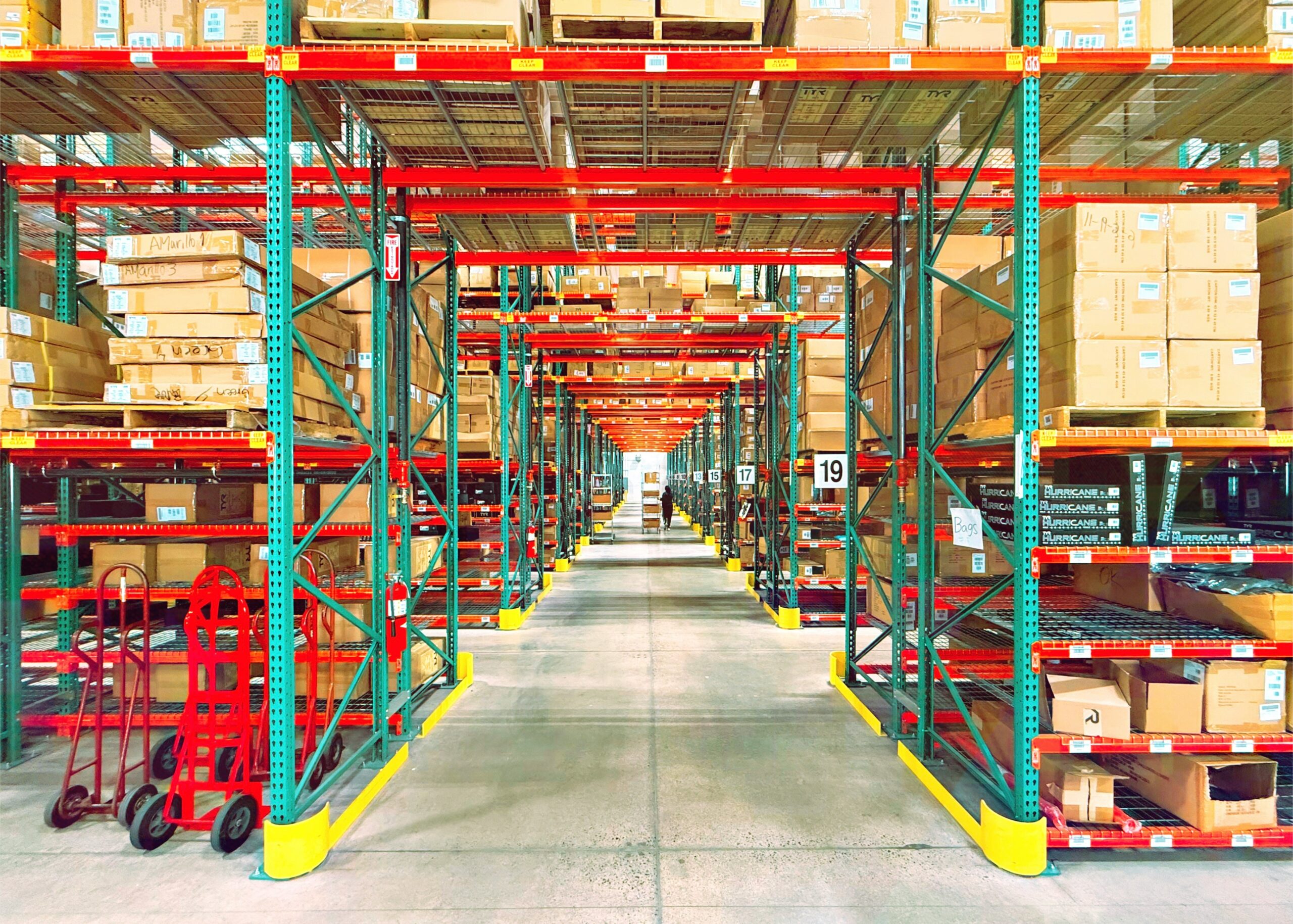
A purpose-built cold warehouse in the Midwest, for example a 100,000 cubic foot facility with multi-temperature zones, may be cost-prohibitive depending on location, site work, refrigeration equipment, racking, fire suppression, and WMS infrastructure. That also assumes you can find a suitable industrial site, navigate zoning, and secure construction financing.
Then there is the timeline. From site selection to certificate of occupancy, you are looking at 18 to 36 months if nothing goes wrong. Food-grade cold storage has additional requirements such as FDA-compliant surfaces, HACCP documentation, temperature mapping studies, and sanitation controls. Each of these adds time and cost.
During that 18 to 36 month construction period, you are still paying the monthly cold storage bill. You are also paying debt service on the construction loan. You are carrying the land and funding the permitting process.
The bigger issue is utilization. That warehouse will be partially empty for the first two to three years. Your business has not grown into the capacity yet. You have a fixed cost structure sized for a future state while your volume is still ramping.
When you stay with the right third-party cold chain partner instead, you pay for what you use. You add space when your volume grows and you reduce when it shrinks. The cost structure scales with the business rather than against it.
The Hidden Risks of Owning Cold Chain Infrastructure
Beyond the balance sheet, there are operational risks that most founders and operations leaders do not anticipate until they are living through them.
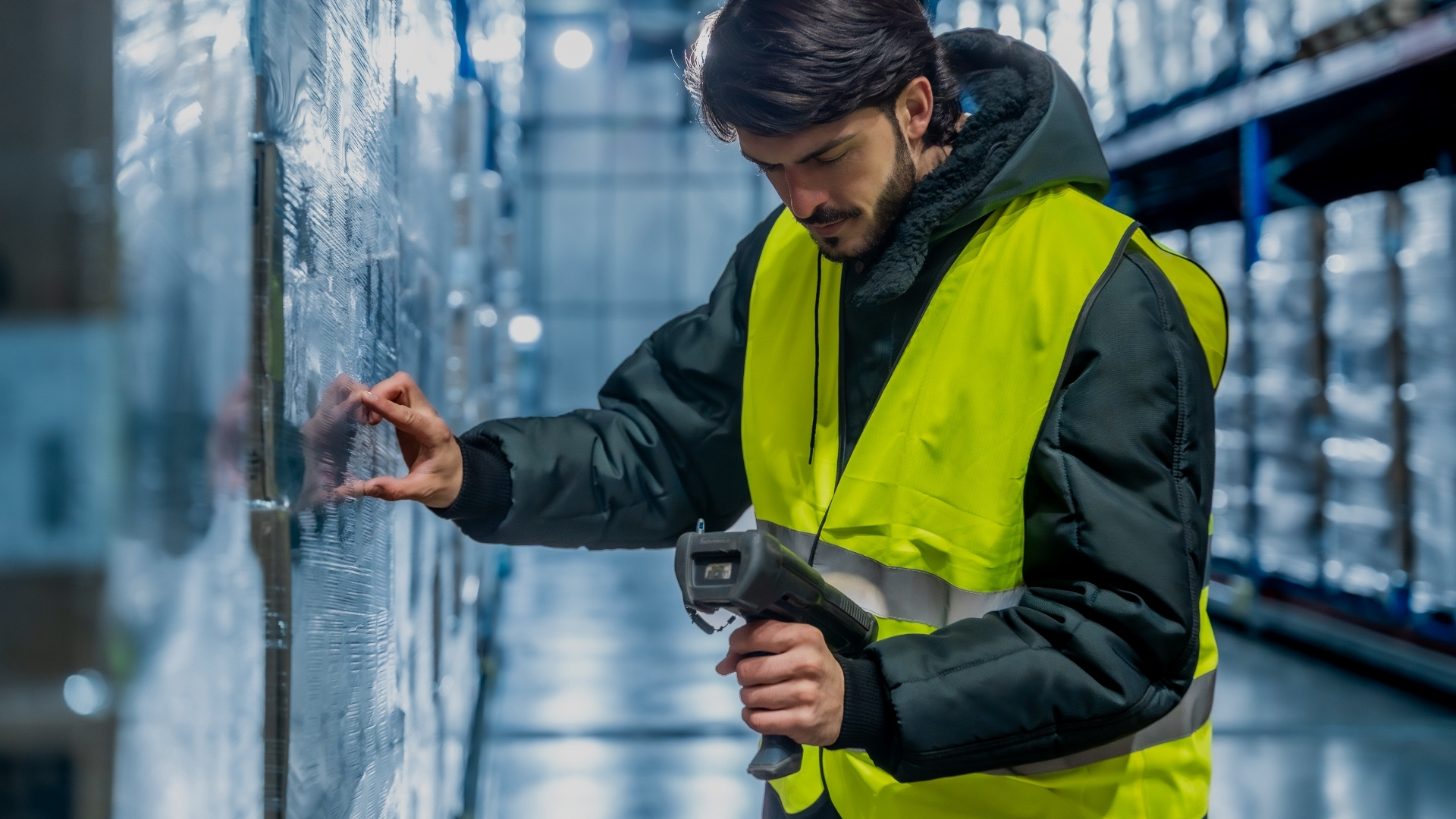
Refrigeration equipment does not wait for a convenient failure window. A compressor can go down on a Friday night in August and you may have hours, not days, before product temperature drifts out of spec. In a 3PL environment, that is the operator’s responsibility. In your own warehouse, it is yours.
Labor, staffing, and workforce management in cold storage are also ongoing challenges. Turnover in warehouse environments is high. Recruiting, training, and retaining competent cold storage operators requires constant attention and investment.
Regulatory compliance falls entirely on you as well. FDA food facility registration, HACCP plan maintenance, state and local health department inspections, and retail audit preparation all become your team’s operational responsibility. A scaled 3PL spreads those compliance costs and processes across hundreds of customers. You bear them alone.
There is also an exit problem. If your volume does not materialize as projected, if a major retail account does not come through, or if a product launch underperforms, you still own a large cold warehouse with a long-term mortgage. You cannot easily walk away from it and you cannot shrink it. The asset becomes a liability that constrains every strategic decision you make for years.
The Smarter Path: Asset-Light Cold Chain That Scales With You
What growth-stage brands actually need is cold storage that scales with their business, without the capital commitment, without the operational complexity, and without the exit risk. That is exactly what an asset-light 3PL model provides and it is precisely the role The Hitch is designed to play for food and beverage brands.
With the right cold chain partner, you get:
- Near-zero upfront capital. No construction loan, no land purchase, and no equipment financing.
- Volume flexibility. Add space in weeks, not years, and reduce space when demand softens.
- Scalable cost. Pay per cubic foot, per case, or per transaction so your cost structure grows with your business.
- Operational expertise included. The 3PL manages refrigeration, labor, compliance documentation, and FDA requirements.
- Retail-compliant documentation. Established cold chain operators have already passed major retailer audits and maintain audit-ready documentation that you can leverage.
The key insight is simple. Cold storage is not your competitive differentiator. It is infrastructure. Infrastructure that works is the goal. Owning it is not.
If you want to stay asset-light and focus capital on growth, an established cold chain network like The Hitch gives you the scale and reliability of a large operator without tying up your balance sheet.
How Schreiber’s Existing Cold Network Gives You Instant Cold Scale
Schreiber built its cold network over decades as part of its own food manufacturing operation. That network, purpose-built for high-volume dairy, beverage, and food-grade products, is now available to growth-stage brands through The Hitch.
Practically, that means:
- No construction timeline. Space is available now in facilities that are already operational, FDA-registered, and retail-audited.
- Existing compliance documentation. HACCP plans, temperature mapping studies, and sanitation SOPs are already written, implemented, and proven in audits.
- Multi-site reach. Schreiber’s network is not a single warehouse. It is a connected network, so you can distribute across multiple facilities without onboarding a new partner in each region.
- Walmart and Target compliant. Schreiber has already navigated those audits. Brands using The Hitch benefit from that compliance standing when they expand into major retailers.
For a growth-stage CPG brand, the priority is to put capital and leadership attention into product development, sales execution, and brand building, not into building refrigerator buildings. Schreiber Horizon exists to give you that strategic edge by turning proven internal assets into external solutions.
The cold network already exists. The infrastructure is ready. The real question is whether you want to spend years and millions of dollars recreating something that works today, or whether you want to use The Hitch to scale cold chain while you focus on growing your brand.
Ready to scale cold without building? Request a consultation with The Hitch.