The phone call every growth-stage brand dreads: your retail buyer wants 500 additional store doors. The timeline is 90 days. Your current cold storage is at capacity. The nearest available cold warehouse will not be operational for 18 months.
This is the cold chain inflection point. It is the moment where brands either stall their retail growth or make a decision that changes their trajectory.
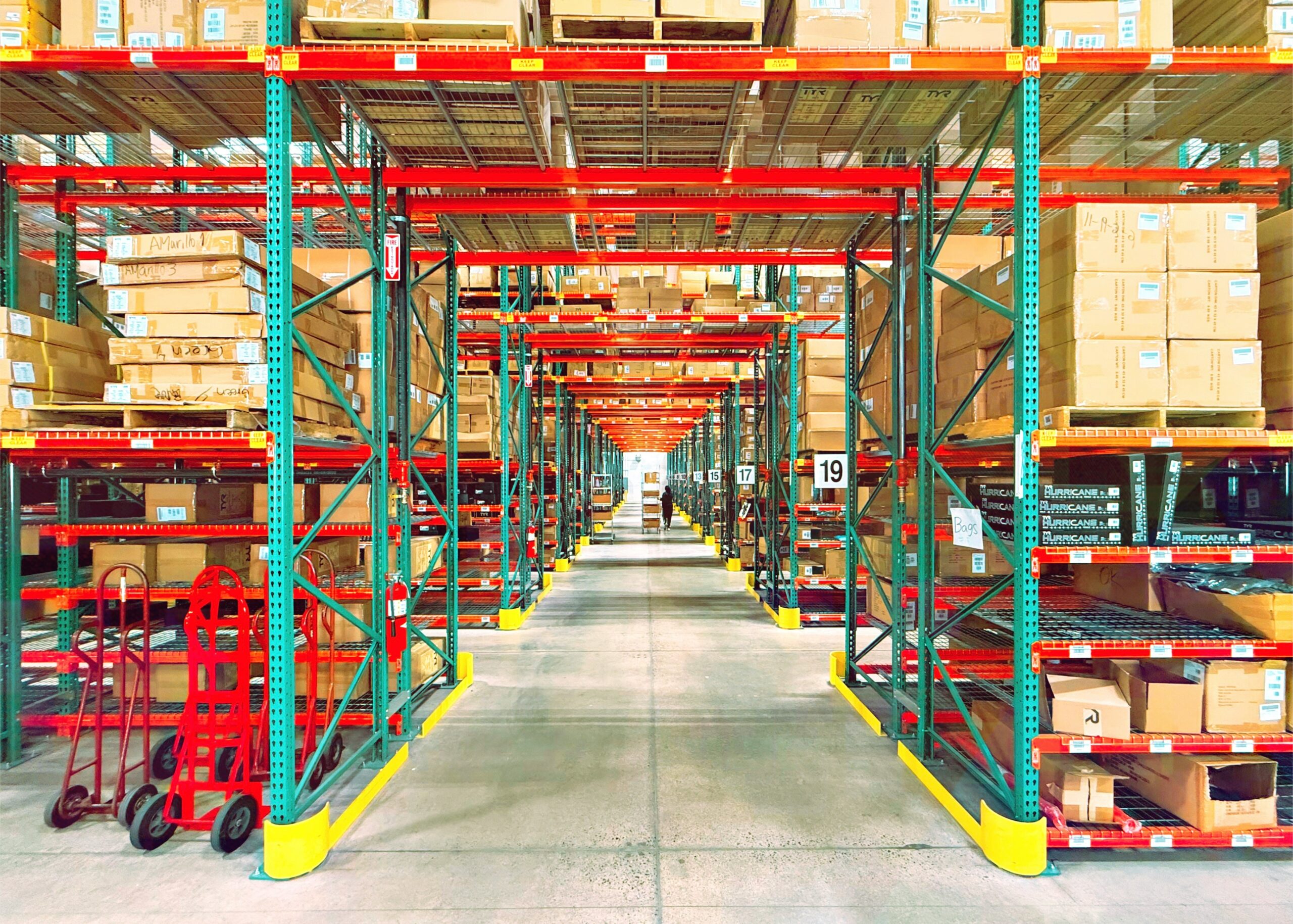
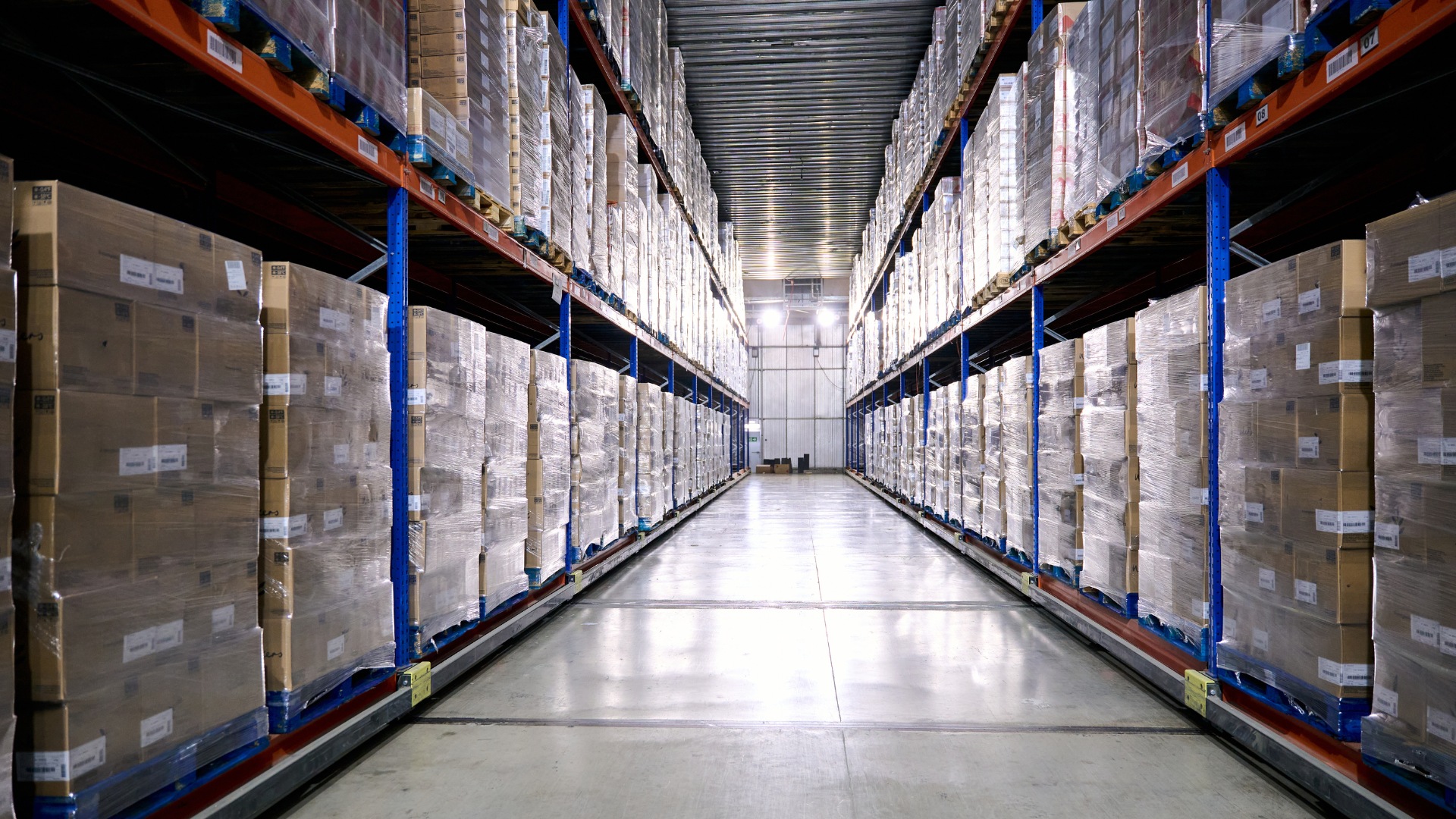
The problem is simple. Building cold storage from scratch is slow, expensive, and risky. Many growth-stage brands do not realize there is another option. They can tap into an existing cold network that already has the space, the compliance documentation, and the retail relationships they need.
That is exactly what The Hitch provides.
The Problem with Starting a Cold Supply Chain from Zero
When a CPG brand decides to bring cold storage in-house, the clock starts ticking. Construction timelines, permitting, equipment procurement, and staffing are each months-long processes with their own failure modes.
The deeper problem is that while you are building, your competitors are scaling.
The cold chain business is not a level playing field. Brands with access to existing infrastructure can move into new retail markets, support new product launches, and respond to demand spikes in weeks. Brands that are building their own infrastructure are in a holding pattern, paying the operational costs of growth without the revenue to support it.
There is also the compliance problem. A newly constructed cold warehouse has no audit history, no temperature mapping documentation, and no retail audit results. Getting a new facility Walmart- or Target-ready typically takes 6 to 12 months after the Certificate of Occupancy is issued.
That is 6 to 12 months of operating with limited retail access while your compliance documentation catches up to your infrastructure.
What an Existing Cold Network Actually Gives You
An existing cold network that has been operational, audited, and proven across multiple brands and product categories changes the entire equation.
- Immediate capacity. Space is available today, not 18 months from now. You can move product into the network within weeks of signing an agreement.
- Proven compliance documentation. FDA facility registrations, HACCP plans, temperature mapping studies, and sanitation SOPs are already written, implemented, and audit-proven. You are not building compliance from scratch. You inherit a compliance record.
- Temperature-controlled operational expertise. The people managing the facility have done this before at scale, across multiple product categories, for brands with exacting standards. They understand the difference between a dairy cooler and a beverage cooler and they know which alarm protocols matter.
- Existing retail relationships. A cold network that has been serving CPG brands for years has already established relationships with retail supply chain teams at Walmart, Target, Kroger, and others. Retailers know the facility, its audit history, and its compliance track record.
- Geographic coverage. Single-site cold storage limits distribution. A network with multiple facilities across a region lets you distribute inventory across sites, reduce transportation costs, and improve fulfillment speed.
For growth-stage food and beverage brands, these advantages mean they can behave like much larger companies without carrying the cost and risk of owning the infrastructure.
How Fast Can a CPG Brand Get Cold Storage Operational?
This is the question every brand asks. The answer depends entirely on whether you are building new or using existing infrastructure.
- Building new: 18 to 36 months from the decision to build to the first pallet received.
- Using an existing network like The Hitch: approximately 2 to 6 weeks from agreement to first receiving, depending on product category, EDI and system integration requirements, and specific retail compliance needs.
That gap between a few weeks and many months is not a minor operational inconvenience. It is the difference between capturing a retail opportunity and losing it to a competitor that was already scaled.
What Retail Compliance Looks Like on Day One
One of the most underappreciated benefits of joining an existing cold network is what you inherit on day one: a compliance infrastructure that has already been audited and approved by major retailers.
When you bring a brand-new cold storage facility into your network, one that has never been used by your brand before, you have to build its compliance record from the ground up. Temperature mapping studies take months. HACCP plans must be written and implemented. Sanitation schedules must be documented. All of it has to be in place before a Walmart auditor walks in.
When you join an existing network, that work is already done.
Temperature logs are already being collected and retained. Refrigeration equipment is already on preventive maintenance schedules. EDI integrations with major retailers are already tested and operational. The facility is already on the approved vendor lists of many of the accounts you want to serve.
For a growth-stage brand, this is not a minor convenience. It is a competitive advantage. You can walk into a Walmart buyer meeting with the same compliance standing as a much larger, more established competitor.
The Hitch: Your Cold Network, Ready When You Are
The Hitch is Schreiber’s cold network. It was built over decades as part of Schreiber’s own food manufacturing operation and is now available to growth-stage CPG brands that need to scale cold storage without building it.
What you get when you work with The Hitch:
- Access to operational cold storage in the Midwest. No construction, no permitting.
- Built-in retail compliance. Facilities are already FDA-registered, HACCP-documented, and Walmart and Target audited.
- Scalable volume. Add space as your business grows and reduce when demand softens.
- Multi-site distribution across Schreiber’s existing network, not just a single warehouse.
- Dedicated onboarding support. The Hitch team works with your brand to integrate into the network efficiently with minimal disruption to your supply chain.
The goal of The Hitch is simple. It gives growth-stage CPG brands the cold infrastructure of a much larger company without requiring them to build it, so they can focus capital and leadership attention on product, brand, and growth instead of facilities.
Ready to scale easily? Request a cold chain consultation with The Hitch
FAQ
What retailers is Schreiber already compliant with?
The Hitch facilities are designed to meet the compliance requirements of major U.S. retailers including Walmart and Target. Specific retail compliance status should be confirmed directly with The Hitch for your product category.
How does cold chain onboarding work for a new brand?
Onboarding typically involves product-specific temperature requirement review, EDI integration setup, compliance documentation review, and receiving procedure training. The Hitch team provides dedicated support throughout this process.
What regions does Schreiber’s cold network cover?
Schreiber’s cold network is strategically distributed across the US. Specific geographic coverage and available temperature zones should be confirmed directly with The Hitch based on your distribution footprint.