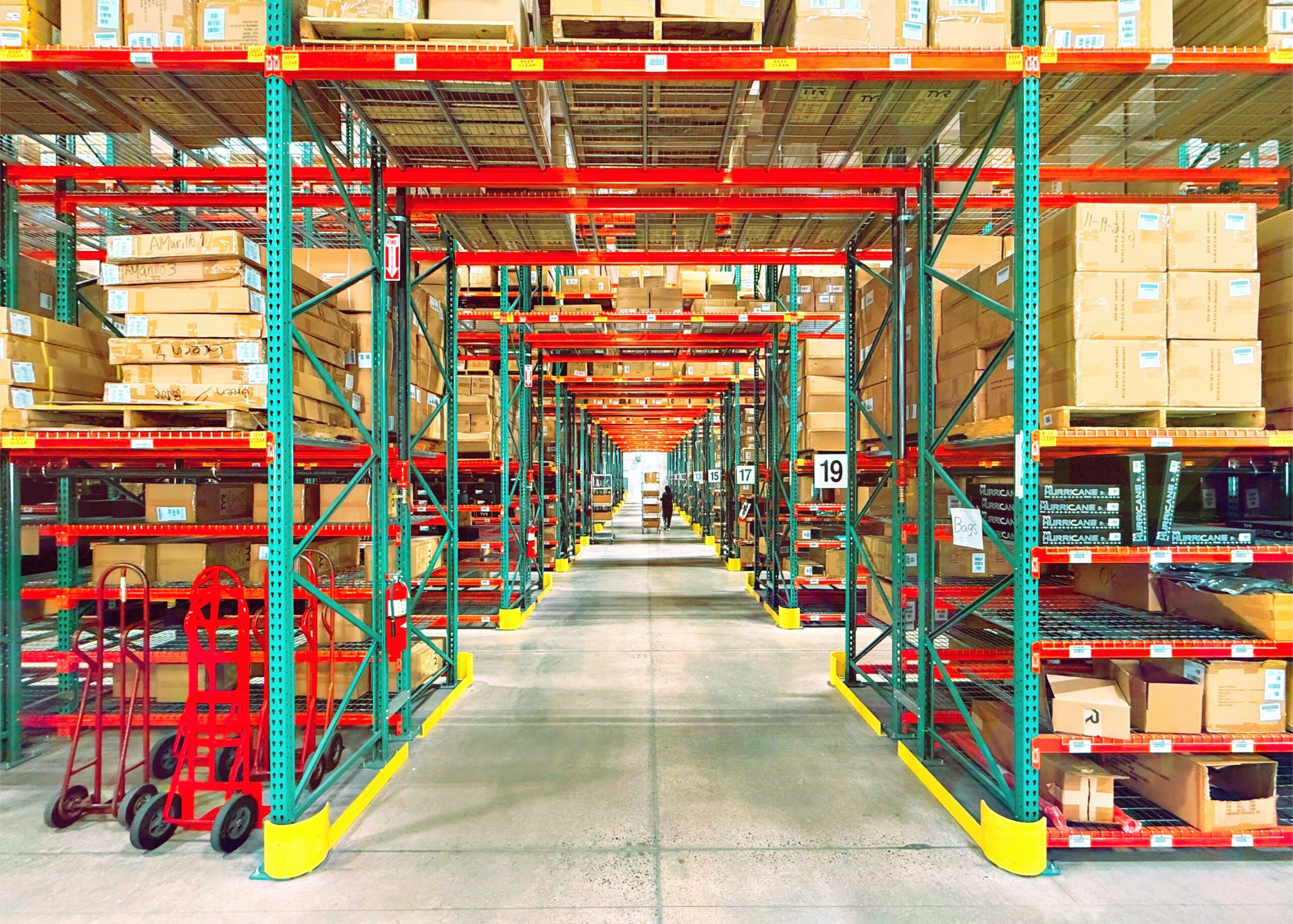

November is the cruelest month in cold chain logistics. It is the week when Thanksgiving inventory, early holiday stock, and everyday replenishment all hit the distribution network at the same time. Retail DCs are running at full capacity, carriers are booked solid, and every manufacturer is fighting for the same refrigerated trucks.
The November logistics bottleneck is not a surprise. It happens every year. But the manufacturers who get through it cleanly are not the ones with the most capacity. They are the ones who plan around the bottleneck instead of running into it.
What Causes the November Crush
Three things converge in November. First, retail grocers push holiday inventory early so they have product on shelf before Thanksgiving week. Second, everyday replenishment volumes stay at normal levels because consumers do not stop buying staples just because the holidays are coming. Third, carrier capacity shrinks because drivers take time off and reefer units go into maintenance for winter weather prep.
The result is a distribution environment where demand exceeds capacity by 15 to 25 percent on critical lanes. Manufacturers who have not planned for this gap end up paying spot rates that eat into holiday margins, or worse, they miss delivery windows and lose shelf placement during the most profitable weeks of the year.
Start with a November-Specific Capacity Map
Your standard capacity plan is not enough for November. You need a November-specific map that accounts for the convergence of holiday and replenishment volume.
Pull your shipment data from last November and break it down by week and by lane. Identify the weeks where volume spiked above your contracted capacity. Those are the weeks where you need overflow arrangements in place before November 1.
For each critical lane, answer three questions: Do I have enough contracted capacity for the peak week? Who is my backup carrier if the primary falls through? What is the maximum spot rate I am willing to pay before it stops being profitable?
Action: Build a week-by-week capacity map for your top 10 retail DC lanes using last November’s data as the baseline.
Stage Inventory Closer to the DC
One of the most effective ways to beat the November crush is to reduce the distance between your product and the retail DC. If your product is sitting in a warehouse 800 miles away when the order comes in, you are at the mercy of long-haul carrier availability. If it is staged 100 miles away, you have options.
Forward staging means moving inventory to a warehouse or redistribution center near the retail DC before the crush begins. This works best for products with predictable holiday demand, which includes most refrigerated dairy items. The cost of staging is lower than the cost of a missed delivery during peak holiday weeks.
The Hitch by Schreiber Horizon operates a consolidation network that moves more than 2 billion pounds of refrigerated product annually. Manufacturers who stage inventory through that network get the benefit of Schreiber’s scale and proximity to more than 600 retail and foodservice customers.
Action: Identify your top five retail DCs and find a forward staging position within 200 miles of each one.
Consolidate Shipments to Reduce Lane Pressure
Every separate shipment you put on the road in November is one more load competing for limited carrier capacity. Consolidation is the most direct way to reduce that pressure.
If you are shipping LTL refrigerated freight to the same retail DC multiple times per week, consolidate it into full truckloads. If you are shipping to multiple DCs in the same region, consolidate onto a multi-stop route. Consolidation reduces the number of trucks you need, which frees up capacity for other manufacturers and lowers your per-unit transportation cost.
The manufacturers who handle November best are the ones who treat consolidation as a strategy, not a tactic. They build consolidated routes into their holiday plan before the crush starts, not after carriers start declining freight.
Action: Review your November shipping schedule and identify at least three LTL shipments per week that can be consolidated into full truckloads.
Communicate with Retail Partners Early
Retail DCs are under the same pressure you are in November. They are receiving more freight, processing more pallets, and managing more appointments with less margin for error. The manufacturers who maintain good retailer relationships through the crush are the ones who communicate early and often.
If you see a potential delay, tell the retailer before the shipment is late. If you need to change a delivery window, request the change as early as possible. Retail DC managers would rather know about a problem on Monday than discover it on the dock on Wednesday.
Action: Set up a weekly check-in with your top retail partners during November to review upcoming shipments and flag potential issues.
Closing Thoughts
The November crush is predictable, which means it is avoidable. The manufacturers who get through November without missed deliveries or blown margins are the ones who build a November-specific plan in September and execute it in October. If you want the full checklist for holiday cold chain readiness, read our Q4 cold chain checklist for retail holiday programs for a step-by-step guide. For the broader framework on cold chain logistics strategy, visit The Hitch.
FAQ
What is the November logistics bottleneck?
The November logistics bottleneck is the capacity squeeze that happens when holiday inventory, everyday replenishment, and reduced carrier availability all converge in the same month. Retail DCs push for early holiday stock, consumers keep buying staples at normal rates, and carriers lose capacity to driver time off and winter maintenance. The result is demand exceeding capacity by 15 to 25 percent on critical lanes, which drives up spot rates and creates delivery delays for unprepared manufacturers.
How can manufacturers avoid distribution delays in November?
The most effective strategies are building a November-specific capacity map using last year’s data, staging inventory closer to retail DCs, consolidating LTL shipments into full truckloads, and communicating proactively with retail partners. The key is starting in September so that overflow carriers, forward staging positions, and consolidated routes are all in place before November 1. Waiting until November to solve capacity problems means paying premium spot rates or missing delivery windows.
Why is cold chain surge capacity harder to find in November?
Cold chain surge capacity is harder to find in November because every manufacturer needs it at the same time. Refrigerated trucks are a finite pool, and holiday volume across CPG, produce, frozen, and pharmaceutical shipments all compete for the same reefer units. Drivers take time off around Thanksgiving, and carriers pull trucks in for winter maintenance. Manufacturers who secure surge capacity in September get it at reasonable rates. Those who wait until November often cannot find it at any price.
Should you store inventory near retail DCs before November?
Yes. Forward staging is one of the most effective ways to reduce November distribution risk. Moving inventory to a warehouse within 200 miles of a retail DC before the crush begins means you can respond to orders with short-haul trucks instead of competing for long-haul carrier capacity. The cost of staging is typically lower than the cost of a missed delivery during peak holiday weeks, especially when you factor in chargebacks and lost shelf placement.